Stroke
Stroke
A stroke is a medical emergency that occurs when a blood vessel supplying the brain becomes blocked or ruptures, interrupting blood flow. This interruption deprives brain cells of oxygen and can lead to brain injury and physical or cognitive impairments. Stroke may be ischaemic or haemorrhagic. Immediate medical intervention is essential to minimise brain damage and complications. Manipal Hospitals provides comprehensive, multidisciplinary stroke care to enhance recovery outcomes.
Treatments Available at
-

Old Airport Road - Bengaluru
-

Whitefield - Bengaluru
-
Jayanagar - Bengaluru
-
Malleshwaram - Bengaluru
-

Yeshwanthpur - Bengaluru
-
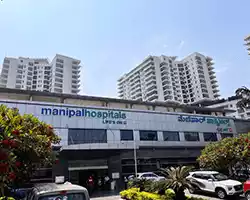
Hebbal - Bengaluru
-
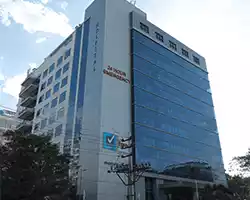
Sarjapur Road - Bengaluru
-
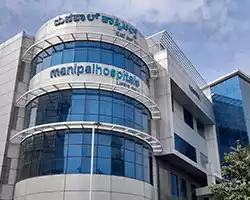
Varthur Road - Whitefield - Bengaluru
-

Manipal Hospital Doddaballapur - Bengaluru
-
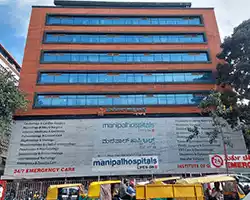
Millers Road - Bengaluru
-
Mysore
-
Mangaluru
-
Dwarka - Delhi
-

Gurugram
-

Ghaziabad
-

Patiala
-
Vijayawada
-
Salem
-
Kharadi - Pune
-

Salt Lake - Kolkata
-
Baner - Pune
-

Dhakuria
-

Mukundapur
-

Broadway
-

Bhubaneswar
-
Kanakapura Road
-
EM Bypass
-

Siliguri
-

Rangapani
-

Ranchi
-
Yelahanka - Bengaluru
Didn’t find what you were looking for?
Get in touch with our representatives for help!
Request a CallbackSymptoms of Stroke
Stroke symptoms depend on the affected brain area. Common signs include sudden weakness or numbness on one side of the body or face. Patients may experience difficulty speaking, confusion, vision problems, dizziness, or loss of balance and coordination. A sudden, severe headache may also occur.
How We Diagnose Stroke
Diagnosis begins with an immediate physical assessment to evaluate arm weakness, facial drooping, and speech difficulties. A CT scan is performed urgently to detect bleeding in the brain and differentiate between stroke types. MRI may be used to detect early brain tissue damage and provide detailed images of the brain. An electrocardiogram (ECG) helps detect cardiac rhythm abnormalities, such as atrial fibrillation, which increases the risk of stroke.
Treatment Options
Stroke treatment depends on the severity, type of stroke, and affected brain region. For eligible patients with ischaemic stroke, clot-dissolving medications may be used to restore blood flow. Haemorrhagic strokes may require procedures or surgery to control bleeding and reduce pressure on the brain.
What to Expect
At Manipal Hospitals, stroke care is delivered with precision and urgency under the supervision of the best doctors for stroke. Patients arrive at the hospital and receive immediate stabilisation in the emergency care unit. They are evaluated, and diagnostic imaging tests are advised to determine the type and severity of the stroke.
Eligible ischaemic patients receive clot-busting drugs to dissolve the blockage and restore blood flow. In acute cases, a mechanical thrombectomy may be performed to remove large clots. In haemorrhagic stroke, the focus is on stabilisation, controlling blood pressure, reversal of anticoagulation, and, if necessary, neurosurgical intervention.
Once clinically stable, patients begin a comprehensive rehabilitation programme led by a multidisciplinary team. Rehabilitation focuses on restoring communication skills, improving balance, and helping patients relearn essential daily tasks.
Recovery varies among individuals. With timely treatment and organised rehabilitation, some patients experience significant recovery and improvement in their quality of life. Regular follow-ups will enable doctors to assess recovery progress and manage risk factors to prevent stroke recurrences.
Consult our Experts
FAQs
-
What are the main causes of stroke?
The common stroke causes include rupture of blood vessels, as seen in haemorrhagic stroke. Another cause is blockage of arteries due to atherosclerosis or blood clots. Heart disease, diabetes, smoking, and high blood pressure are among the risk factors.
-
What are the first symptoms that should make someone think of stroke?
Sudden face drooping, arm weakness, trouble speaking, confusion, or balance loss are major warning signs. Stroke is an emergency. With timely and specialised stroke treatment in Mysore, early intervention can make a significant difference in recovery and long-term function.
-
Why is rehabilitation such an important part of stroke care?
Why is rehabilitation such an important part of stroke care?
-
Is recovery possible after a stroke? Recovery
Recovery is often possible, especially with early treatment and rehabilitation. Progress may be slow at times, but many people regain important abilities with steady support. Therapy, patience, and follow-up all matter a great deal.



You’re on Our Indian Website
Visit the Global site for International patient services
'Click' to chat with us